Have you ever felt like your relationships are missing that spark of connection, like you're just going through the motions without real meaning or love?
Picture this: you’re at a family dinner, everyone’s chatting, but you feel oddly disconnected, like you’re watching it all through a foggy lens. It’s tough when stress and emotional clutter make it hard to truly bond with the people you care about.
I’ve been there, feeling like my interactions lacked depth, and I know how draining it can be.
The problem may seem insurmountable, but when it comes to understanding the fundamental causes behind lack of emotional intelligence in relationships, the majority of it can be solved by relieving stress and re-establishing harmony in brain function.
Transcendental Meditation (TM) is a well-known, scientifically verified tool that has helped millions of people across the globe relieve stress, improve emotional intelligence and get more fulfilment in relationships.
In this post, we’ll explore exactly how TM improves relationships, boosts social well-being, and fosters emotional health. Let’s dive into how TM can transform the way you relate to others.
The Crucial Ingredients in Fulfilling Relationships
Stress: The Silent Saboteur

Stress is like static on a radio—it distorts everything. When you’re stressed, it’s hard to be present, kind, or patient. All it needs is to turn down that static, and letting space for your natural warmth to shine through. Without stress clouding your mind, you’re more likely to approach others with kindness.
Empathy and Altruism: The Heart of Connection
How TM helps in developing compassion and empathy is simple—it settles the mind so you can see the world through others’ eyes. When you’re calm, it becomes easier to understand why someone acts the way they do, and this quiet shift in awareness reflects one of the deeper impact of Transcendental Meditation on how we relate to one another.
This reduces misunderstandings and builds relationship harmony. Suddenly, that annoying coworker’s behavior makes sense, and you’re less likely to hold a grudge. When the mind is clear, it is easier to be in another’s shoes.
We also need to remember that most of the time, animosity is actually a cry for help, a loud appeal to be understood and to be accepted, loved and appreciated. This is a universal desire across humanity. But to understand and bond with others, we need to remove our own thinking biases, that accrue due to stress.
Managing Expectations with Clarity
When we’re stressed, we often project unrealistic expectations onto others, leading to frustration. TM can aid in improving communication by making you more grounded and less reactive.
You start to accept people as they are, fostering deeper emotional connections. This clarity is key to forging deeper relationships.
Transcendental Meditation, the Ideal Stress Relief Tool

How TM Reduces Stress
How TM reduces stress in relationships is backed by science. A 2018 study in The Lancet found TM significantly lowers cortisol levels, the stress hormone. By practicing TM for 20 minutes twice daily, you give your nervous system a deep rest.
This reset helps you let go of mental clutter, stay centered within, experience stable bliss and thus stay calm even in tense situations.
Building Empathy and Compassion
TM has been repeatedly shown to be an effective tool for enhancing emotional intelligence. Research from Journal of Social Behavior and Personality (2001) shows TM practitioners score higher on empathy measures.
Regular TM practice enhances your ability to feel and respond to others’ emotions. This fosters compassion and empathy, making you a better listener and friend.
Fostering Tolerance and Self-Actualization
TM doesn’t just reduce stress—it helps you grow as a person. A 1991 study in Journal of Social Behaviour and Personality linked TM to higher self-actualization, meaning you come closer to the vision you have of your ideal self.
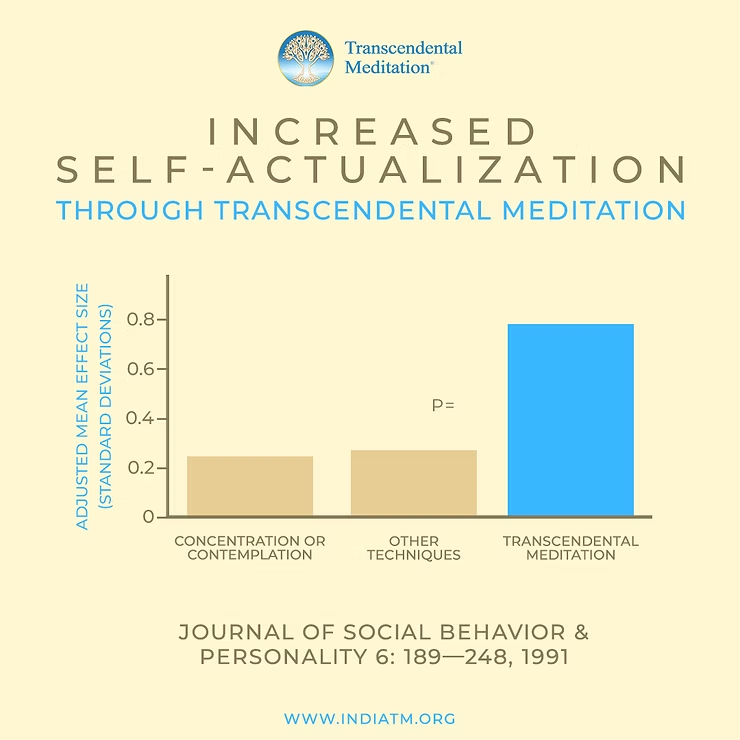
TM and personal and social growth go hand-in-hand, as you become less judgmental and more open. This creates space for kindness and understanding in your interactions.
Evidence-Based Emotional Health Benefits
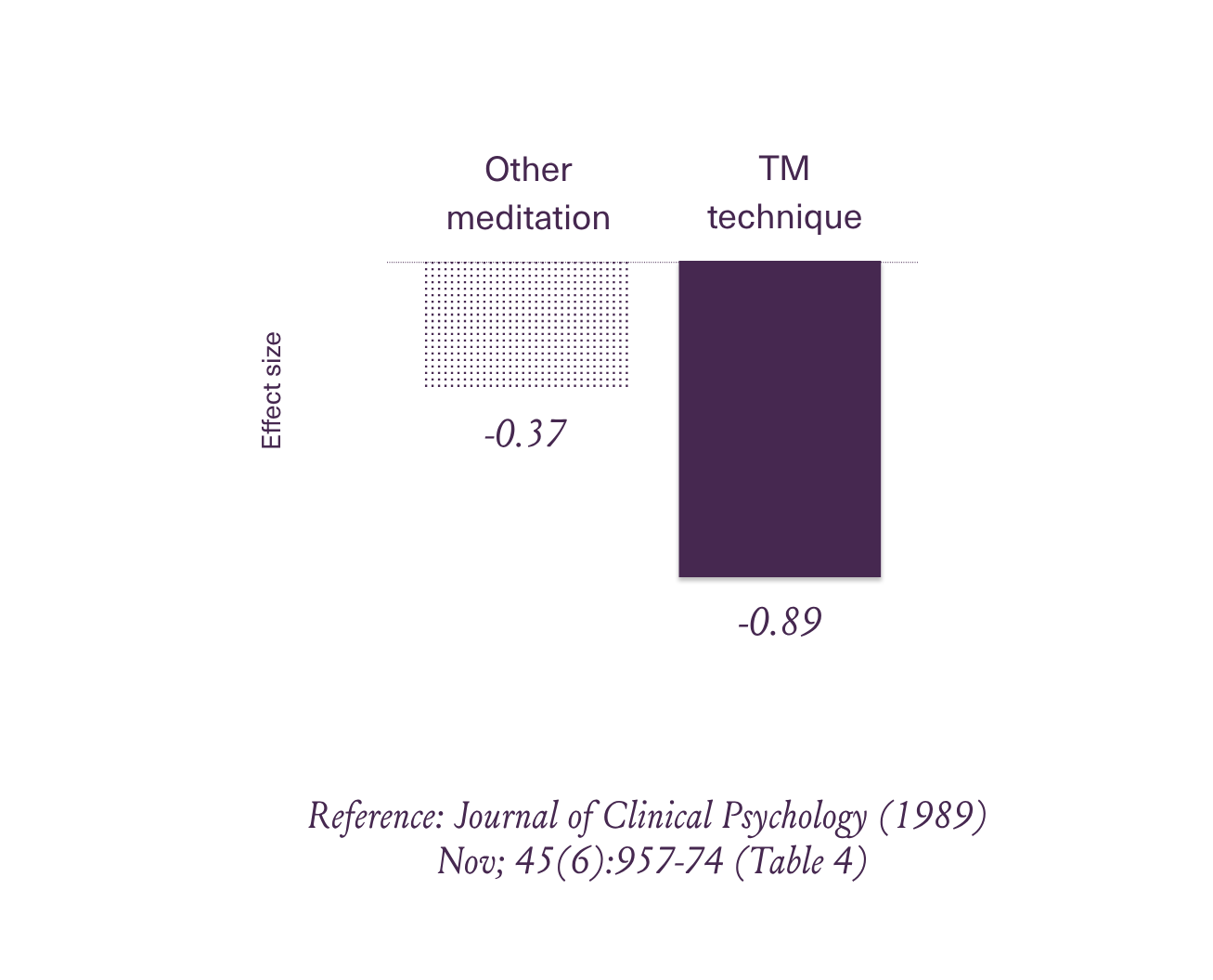
Regular practice of Transcendental Meditation and emotional health have been shown to be deeply connected. A 2014 meta-analysis in Journal of Clinical Psychology found TM improves emotional regulation. By calming the amygdala—the brain’s fear center—TM helps you respond to challenges with clarity. This emotional stability is crucial for how TM reduces conflicts in relationships.
What is Social Wellbeing?

Defining Social Wellbeing
Social well-being is about feeling connected, valued, and supported in your relationships. It’s the sense that you belong, whether at home, work, or in your community. TM enhances this by helping you build stronger, more meaningful bonds. It’s about quality, not quantity, in your social life.
The Role of Emotional Health
Emotional health plays a big role in social well-being. When you’re emotionally balanced, you’re better at nurturing relationships. TM helps you stay present and engaged, which strengthens your social ties. This creates a ripple effect, boosting your overall sense of belonging.
Why Connection Matters
Humans are wired for connection—it’s how we thrive. In our evolutionary history we have come to stay in groups for a mutual sense of comfort, protection and progress. Social acceptance plays a big role in enhancing our mental health levels.
In fact, several longitudinal sociological studies of thousands of people have shown the single biggest determinant contributing to a long and healthy life is good company and strong social bonds.
Social well-being means having relationships that feel fulfilling, not draining. TM and deeper emotional connections help you show up authentically in your interactions. This authenticity is the foundation of a vibrant social life.
Fulfilling Relationships for the Long-Term
Harmony at Home
Can TM improve romantic relationships? Absolutely. Regular TM practice reduces reactivity, so you’re less likely to snap at your partner during a disagreement. It reduces conflicts in relationships by helping you stay calm and communicate clearly. This builds trust and intimacy over time.
Thriving at Work
By staying centered, you handle conflicts with colleagues more gracefully. TM also boosts emotional intelligence, helping you navigate office dynamics. This contributes to a healthier work-life balance.
Boosting Quality of Life
A 2016 study in Journal of Happiness Studies found TM practitioners report higher life satisfaction. By fostering kindness and understanding, TM helps you feel more connected and fulfilled. This ripple effect touches every aspect of your life.
Practical Steps to Start
Starting TM is simple: find a certified teacher that takes the course near you through this website, learn the technique, and practice 20 minutes twice daily.
That TM fosters kindness and understanding becomes evident as you notice yourself becoming more patient and present. Over time, these small shifts lead to fulfilling relationships that last.
Frequently Asked Questions
Q: Can TM improve romantic relationships even if only one partner practices?
Yes, TM can help you stay calmer and more empathetic, which positively influences your relationship. Over time, your partner may notice and respond to your improved emotional presence.
Q: How long does it take to see TM’s benefits for social well-being?
Many notice subtle shifts within the first few sittings that add up over weeks, but consistent practice over months deepens the benefits.
Q: Is TM suitable for someone with no meditation experience?
Absolutely, TM is designed to be effortless and accessible, even for beginners. A certified teacher will guide you to ensure TM and emotional health benefits are within reach.