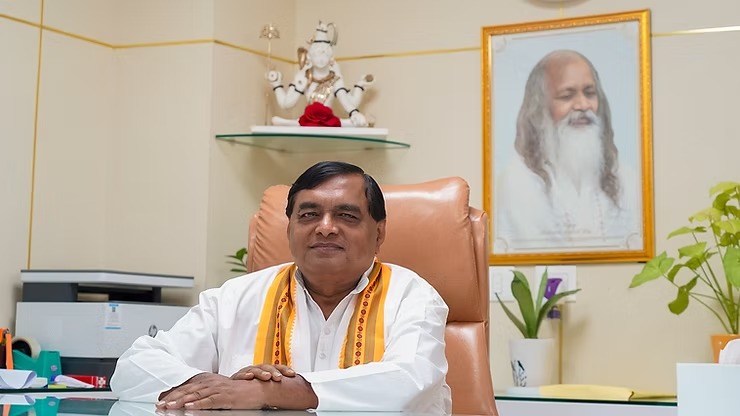
As Chancellor of the Maharishi University of Information Technology and Chairman of the Maharishi Vidya Mandir group of Schools, I have spent decades witnessing the profound transformation that occurs when we align education with its true purpose - the complete development of human potential.
After observing both the challenges facing our current education system and the remarkable solutions offered by Maharishi Mahesh Yogi ji's Consciousness-Based Education, I feel compelled to share insights that could reshape how we approach learning in the 21st century.
Facilitating Holistic Reform in the Modern Education System
The statistics paint a troubling picture of our education system's impact on student wellbeing. The National Crime Records Bureau (NCRB) reported 12,526 student suicides in 2021, many attributed to academic pressure, while in 2022, over 13,000 student deaths were reported.
These numbers represent not just statistics, but young lives lost to an education system that has lost sight of its fundamental purpose.
The mental health crisis among students has reached alarming proportions. According to a survey carried out by the National Sample Survey Organization, it was revealed that 10% of school-going children in India experience mental health challenges, with a significant portion of these challenges attributed to exam-related stress.
Furthermore, as per a survey conducted in early 2021 by UNICEF and Gallup, children in India were hesitant to seek help for mental stress, with only 41% of young people aged 15 to 24 in India saying it is helpful to seek help for mental health concerns.
The competitive examination system, particularly entrance tests like JEE and NEET, has created what experts call a "pressure cooker effect." This crisis is fuelled by relentless academic demands, hyper-competitiveness and overwhelming societal and parental expectations.
Millions of students are battling immense stress, leading to widespread depression, anxiety, and a tragic increase in suicide rates.
What is heartening is that fact that the Education Ministry of the Government of India has taken cognizance of this fact and taken giant strides to alleviate stress among students, which culminated in the inculcation of stress prevention and wellness guidelines in the National Educational Policy (NEP), in effect since 2020.
I believe that our own institution, having decades long experience in using consciousness based methods to remove anxiety, develop full mental potential and aid in complete flowering of the character of a student, can contribute meaningfully to this national endeavour.
The Three Aspects of Knowledge and the Primacy of the Knower
There are three aspects to knowledge as per the Vedic paradigm
the knower, the one who is striving to gain knowledge of something
The process of knowing, how the knower gains knowledge
the known, the person, object, place or phenomenon about which the knower wants to gain knowledge.
These three also form the fundamental triad of education, if you think about it. The knower is the student, the various subjects are the known, and various pedagogical or teaching techniques form the process of knowing.
What we have seen till recently, is the emphasis on improving curricula, teaching methods and refining the classification and organization of various subjects. But what is the meaning of all the knowledge in the world, if the knower is not able to understand, assimilate and apply it?
It is now a well known, thoroughly researched fact that a stressed brain is not in the best shape to gain, process and apply knowledge. It is only the calm, relaxed mind that has its full capacity available to it to do so effortlessly.
The brain itself is probably the most wonderful creation in this universe, and has a tremendous capacity for learning, memorizing, assimilating and application. But it can only do so when all its functional parts are fully operational and synchronized to each other.
Yoga gives us a way to naturally open up the full potential of the mind, and enlarge its capabilities through an expansion of consciousness itself, which the Vedas call the bedrock of the mind.
All of Vedic and by extension Yogic literature has one fundamental aim - to evolve the consciousness.
Higher states of consciousness describe profusely in the Upanishads as well as yogic texts such as the Patanjali Yoga Sutras naturally bestow higher mental traits attributed to geniuses and high performing individuals, a practical experience of this can beautifully complement the contemporary training methods that are being devised today.
When the knower or student is naturally dwelling in higher states of consciousness, learning becomes child's play, since the limits placed on the mind are transcended and the capacity for knowing increases manifold.
Today's age, where all the world's knowledge is available virtually at our fingertips, belongs to the knower, on whom there is an ever increasing responsibility to use it wisely, for the benefit of self, society, country and the world.
The Fundamental Goal of the Education System – Development of the Full Potential of the Learner
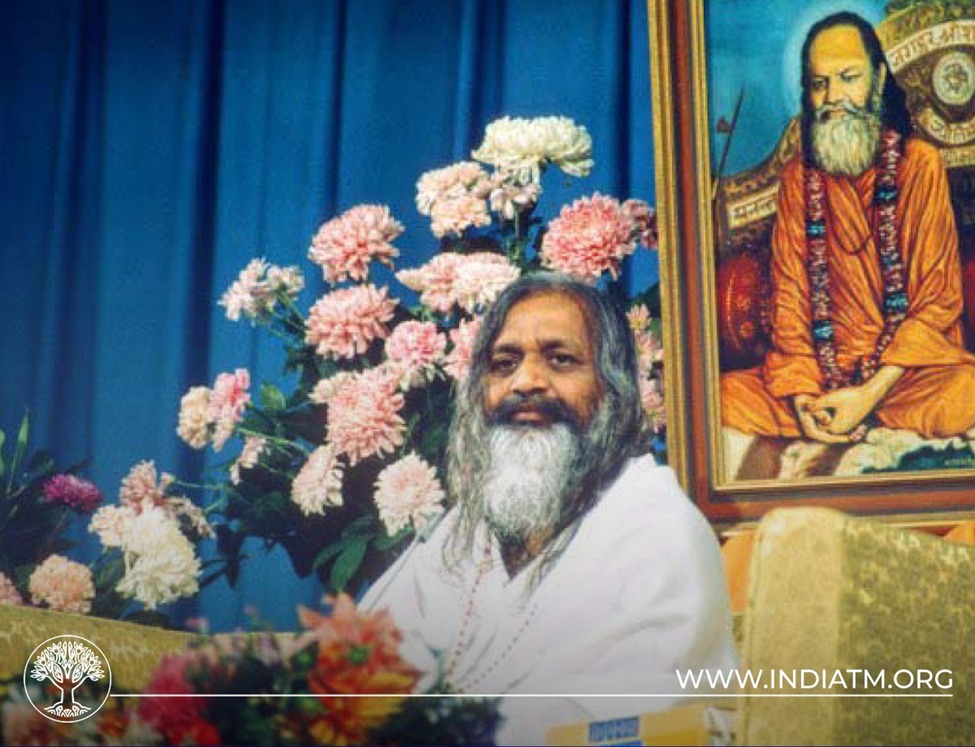
Maharishi Mahesh Yogi, the founder of the Transcendental Meditation, which is at the core of Maharishi's Consciousness-Based Education program brought back focus on the principal objective of education decades ago.
He emphasized that education should develop the full potential of every student - not just intellectual capacity, but creativity, emotional stability, physical health, and moral character.
The goal is not merely to fill students with information, but to expand their consciousness so they can effortlessly access and apply knowledge.
As Maharishi explained in his lectures on consciousness and education, the most important aspect of learning is to "expand the container of knowledge" - the mind itself.
When the mind is stressed, anxious, or functioning at partial capacity, even the best curriculum and teaching methods will fail to achieve their intended results. However, when consciousness is developed and the mind is functioning at its full potential, learning becomes effortless, enjoyable, and deeply meaningful.
Consciousness-Based Education, an education system with its roots in the Vedic knowledge of consciousness, recognizes that knowledge has its source in consciousness itself.
Since pure, unbounded consciousness is the most fundamental aspect of all creation and the source of the mind as per the Vedas, it is also the source of all knowledge.
By developing higher states of consciousness through the practice of Transcendental Meditation, students gain direct access to the field of pure knowledge that underlies all learning.
This approach transforms education from a struggle to accumulate information, into a natural unfolding of the student's innate potential.
The science behind this approach is profound. When students practice Transcendental Meditation, or TM, they experience a settled state of ‘restful alertness’, where the mind transcends the boundaries of ordinary thinking and experiences pure consciousness - the source of all thought, creativity, and intelligence.
Regular experience of this state develops what educators call "learning readiness" - the optimal brain functioning that allows for effortless absorption and integration of knowledge.
This is not merely theoretical. Mind-body education through meditation creates measurable changes in brain function, improving memory, focus, creativity, and emotional stability.
Students who practice Transcendental Meditation show enhanced prefrontal cortex functioning, leading to better decision-making, impulse control, and academic performance.
This is holistic learning through meditation at its finest - education that develops the whole person, not just the intellect.
Now that secondary and tertiary educational institutions are gradually turning towards more holistic models of education that incorporate Yoga and meditation, we offer a time tested educational paradigm firmly rooted in the Vedic literature, but at the same time modernized and scientifically validated for today's times, which has stood the test for more than half a century.
Transcendental Meditation, an Ideal Life Development Tool for Students
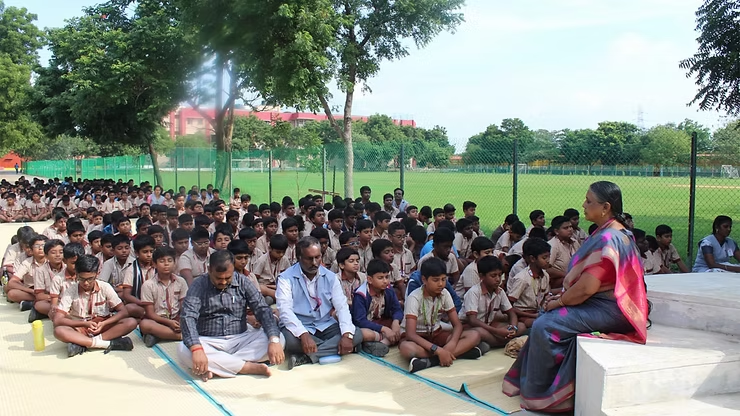
The research supporting TM in education is extensive and compelling. Over the past five decades, more than 700 scientific studies have documented the benefits of TM for students, with research conducted at leading universities and published in top-tier academic journals.
More than one million students from over 300 schools and colleges worldwide have learned Transcendental Meditation, providing a vast database of practical results.
The benefits of TM for students extend far beyond stress reduction, though that alone would justify its inclusion in education.
Students who practice TM show significant improvements in academic performance. Research demonstrates enhanced grade point averages, improved standardized test scores, and increased graduation rates.
But perhaps more importantly, these academic gains come without increased strain or stress. Students report that learning becomes more effortless and enjoyable.
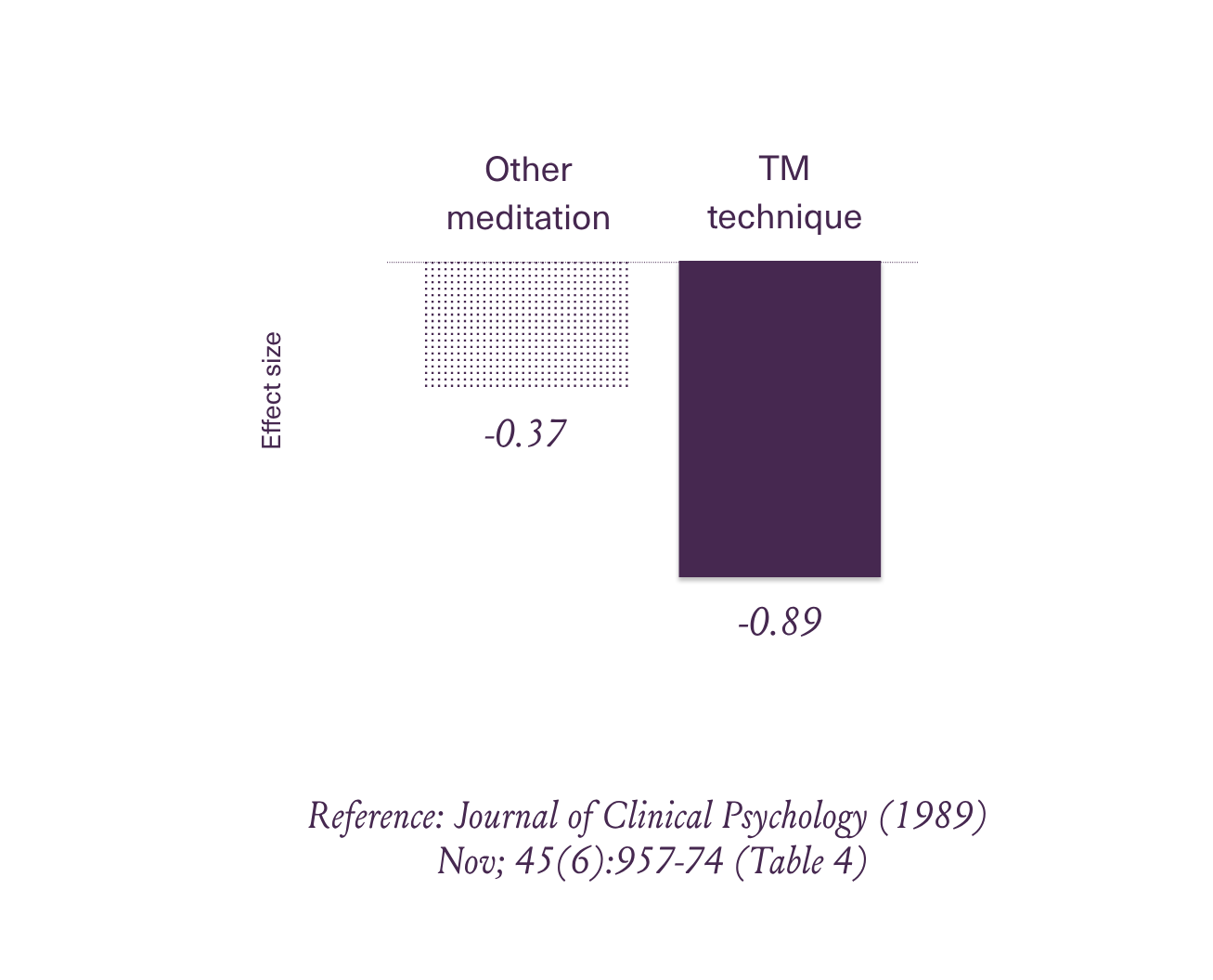
The stress reduction in education through meditation is remarkable. Studies show that TM practice reduces cortisol levels, decreases anxiety and depression, and promotes emotional stability.
Students report feeling calmer, more confident, and better able to handle academic pressure. This is particularly relevant given the mental health crisis facing Indian students today.
TM practices effectively aids focus and learning through measurable improvements in attention span, working memory, and information processing.
Students can concentrate for longer periods without fatigue and show enhanced ability to retain and recall information. Teachers consistently report that students who practice TM are more attentive, participative, and engaged in classroom activities.
The benefits extend to creativity and intelligence as well. Research shows increased scores on tests of creative thinking, problem-solving ability, and fluid intelligence.
Students become more innovative in their approach to learning and show greater ability to see connections between different subjects and concepts.
Physical health improvements are equally significant. Students who practice TM show reduced blood pressure, improved immune function, and decreased need for medical care. They report better sleep quality, increased energy levels, and greater overall vitality.
This mind-body education approach recognizes that physical health is the foundation for effective learning.
Perhaps most importantly, TM practice develops what we might call "inner development in education" - the growth of character, ethical reasoning, and leadership qualities.
Students show increased empathy, cooperation, and social responsibility. They develop greater self-confidence and self-reliance while becoming more considerate of others.
These benefits create a foundation for lifelong success and happiness in youth. Rather than merely preparing students to pass exams, this approach develops the inner resources they need to thrive in any situation throughout their lives.
Consciousness-Based Education Institutions in India – Integrating Consciousness Development with Modern Education
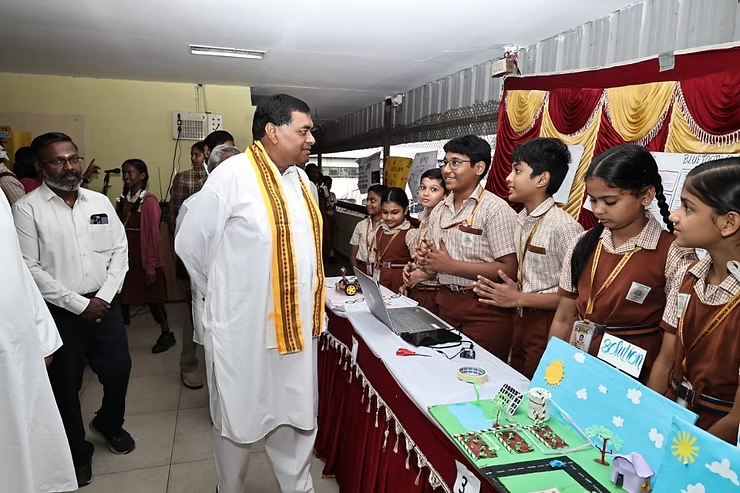
The theoretical benefits of Consciousness-Based Education have been put into practical application through institutions across India.
The Maharishi Vidya Mandir Schools network represents one of the largest implementations of this approach, with over 153 schools spread across 15 Indian states, serving more than 80,000 students with 6,000 teachers and administrative staff.
These schools demonstrate how innovative approaches to education can be successfully integrated with standard academic curricula.
Students at MVM schools follow CBSE guidelines while also participating in the Science of Creative Intelligence curriculum, which teaches academic subjects in the light of the development of consciousness.
This consciousness-based learning technique helps students understand the deep connections between different fields of knowledge and their own inner development.
The results speak for themselves. Students consistently report feeling calmer, more focused, and happier. They show improvements in academic performance while also excelling in co-curricular activities and sports.
Faculty members report reduced burnout, better classroom management, and improved job satisfaction. The entire school environment becomes more harmonious and conducive to learning.
At the university level, Maharishi University of Information Technology implements Consciousness-Based Education through our twin campuses in Noida and Lucknow.
Our 5,000+ students pursue comprehensive degree and diploma programs in fields ranging from computer science to business administration, all while participating in the daily practice of Transcendental Meditation and studying the Science of Consciousness.
What makes MUIT unique is our dedicated Science of Consciousness department, staffed by PhD-level experts who are also certified TM teachers and Vedic scholars.
This department bridges the gap between ancient wisdom and modern scientific understanding, helping students appreciate the deeper principles underlying all fields of knowledge.
The integration is seamless and natural. Students begin each day with group meditation, creating a coherent, stress-free atmosphere that enhances learning throughout the day.
Academic subjects are taught with reference to the development of consciousness, helping students understand not just facts and theories, but the underlying principles that give knowledge its practical power.
The transformation in our students is remarkable. They develop not only professional competence but also the leadership qualities, ethical reasoning, and inner fulfilment that prepare them to contribute meaningfully to society.
Employers consistently report that MUIT graduates demonstrate exceptional problem-solving abilities, creativity, and personal integrity.
These institutions prove that the development of consciousness is not just an idealistic concept but a practical, implementable approach that enhances rather than interferes with academic excellence.
The future of education and consciousness development lies in this integration of inner development with outer achievement.
Conclusion
As we face the mounting challenges of student stress, mental health crises, and ineffectiveness of existing pedagogies, the whole nation has stood up and taken notice, turning towards traditional tools that have aided students in developing their full potential since antiquity.
Students now need to be taken beyond mere struggling through their academic tenure to a position where they truly assimilate learning and get the joy of thriving in a fast paced world, helping to build it a better way.
Consciousness-Based Education offers a comprehensive solution that addresses root causes rather than merely treating symptoms.
My decades of experience in educational administration have convinced me that this approach represents the future of learning.
The key points I want to emphasize are:
• Education must develop the full potential of students - intellectual, emotional, physical, and spiritual - rather than merely transferring information through stressed and anxious minds.
• Transcendental Meditation provides the practical tool for developing consciousness and creating the optimal state of brain functioning necessary for effortless, enjoyable, and effective learning.
• Research demonstrates comprehensive benefits including improved academic performance, reduced stress, enhanced creativity, better health, and development of ideal character traits in over one million students worldwide.
• Successful implementation in Indian institutions like Maharishi Vidya Mandir Schools and Maharishi University of Information Technology proves that consciousness-based learning techniques can be seamlessly integrated with standard academic curricula to produce superior educational outcomes.
The time has come to move beyond piecemeal reforms and embrace a fundamental transformation in how we approach education.
The future belongs to educational institutions that recognize consciousness as the foundation of all learning and provide students with the tools they need to develop their full potential. This is not just an educational necessity - it is our responsibility to the next generation.