In today's fast-paced world, feeling
tired is no longer simply the result of a lack of sleep. Many people wake up after
a full night's rest yet struggle to concentrate, make decisions, stay
motivated, or enjoy activities that once came naturally. This growing challenge
is often not physical exhaustion—it is mental fatigue.
Constant notifications, information overload,
demanding work schedules, academic pressure, and the expectation to remain
connected at all times have created an environment where the mind rarely
experiences genuine rest. While burnout has become a widely recognised concern,
mental fatigue often develops much earlier and can quietly affect every aspect
of daily life.
Recognising mental fatigue early and
adopting healthy habits to restore balance can help improve overall well-being.
Alongside adequate sleep, balanced nutrition, and regular physical activity, the
Transcendental Meditation® technique offers a simple, natural, and effortless
way to help the mind and body experience profound rest.
What Is Mental
Fatigue?
Mental fatigue is a state of cognitive and
emotional exhaustion that develops when the brain is exposed to prolonged
periods of thinking, decision-making, problem-solving, or stress without
sufficient recovery.
Unlike physical tiredness, mental fatigue
affects how we think, feel, and perform. Tasks that once seemed simple may
begin to feel overwhelming. Concentration declines, creativity diminishes,
motivation decreases, and even routine responsibilities can require
considerable effort.
Modern lifestyles demand continuous
mental engagement. Whether responding to emails, attending meetings, preparing
for examinations, managing family responsibilities, or switching constantly between
digital devices, the brain often receives very little opportunity to recover
fully.
If left unaddressed, mental fatigue can gradually
contribute to chronic stress, emotional exhaustion, reduced resilience, and
eventually burnout.
What Causes Mental
Fatigue?
Many people wonder,
what causes mental fatigue?
In most cases,
it is not a single
event but the cumulative
effect of ongoing mental and emotional demands placed upon the nervous system.
Common
contributing factors include:
- Continuous multitasking
- Long working hours
without sufficient recovery
- Information overload
- Constant
digital stimulation
- Workplace stress
- Academic
pressure
- Emotional challenges and persistent worry
- Poor sleep quality
- Lack of regular
breaks during the day
- Decision
fatigue from making
countless choices
Over time, these factors can keep the
nervous system in a heightened state of activity. Even during leisure
time, many people
find themselves mentally
replaying conversations, planning future tasks, or responding to
digital distractions.
As a result,
the mind may rarely experience the deep rest needed to restore balance
naturally.
Signs of Mental
Fatigue

Recognising the signs of mental
fatigue early can help prevent
more serious challenges later. Some of the most common signs include:
- Difficulty concentrating
- Brain
fog or unclear thinking
- Forgetfulness
- Reduced
productivity
- Low motivation
- Irritability
- Feeling
emotionally drained
- Difficulty making decisions
- Increased stress and anxiety
- Poor sleep despite
feeling tired
- Reduced
creativity
- Feeling
overwhelmed by everyday
responsibilities
Many people respond by consuming more caffeine,
working longer hours, or simply trying harder.
While these approaches may provide temporary
relief, they often
do not address the
underlying stress affecting the nervous system.
Why Genuine Rest Matters
Most people attempt to recover from mental
fatigue by sleeping longer, taking a vacation, watching television, or spending
time on social media.
While these activities may feel relaxing,
they do not always provide the deep physiological rest needed to help the body
recover from accumulated stress.
The nervous system benefits from periods of
profound rest that allow it to function more efficiently. When this deeper
level of rest is regularly experienced, many people notice improvements in
clarity, energy, and emotional balance.
This is one of the reasons the Transcendental
Meditation technique has attracted worldwide interest for more than six
decades.
Meditation for Mental Fatigue
When searching for meditation
for mental fatigue, it is important to choose a practice that is both effortless and sustainable.
The Transcendental Meditation technique is a simple, natural,
and effortless mental technique
practiced comfortably while sitting with the eyes closed for about 20 minutes
twice a day.
Unlike practices that involve
concentration, contemplation, or controlling the mind, TM allows the mind to settle naturally
to quieter levels
of awareness. As mental activity
becomes increasingly settled, the body experiences a unique state of
deep rest while the mind remains naturally alert.
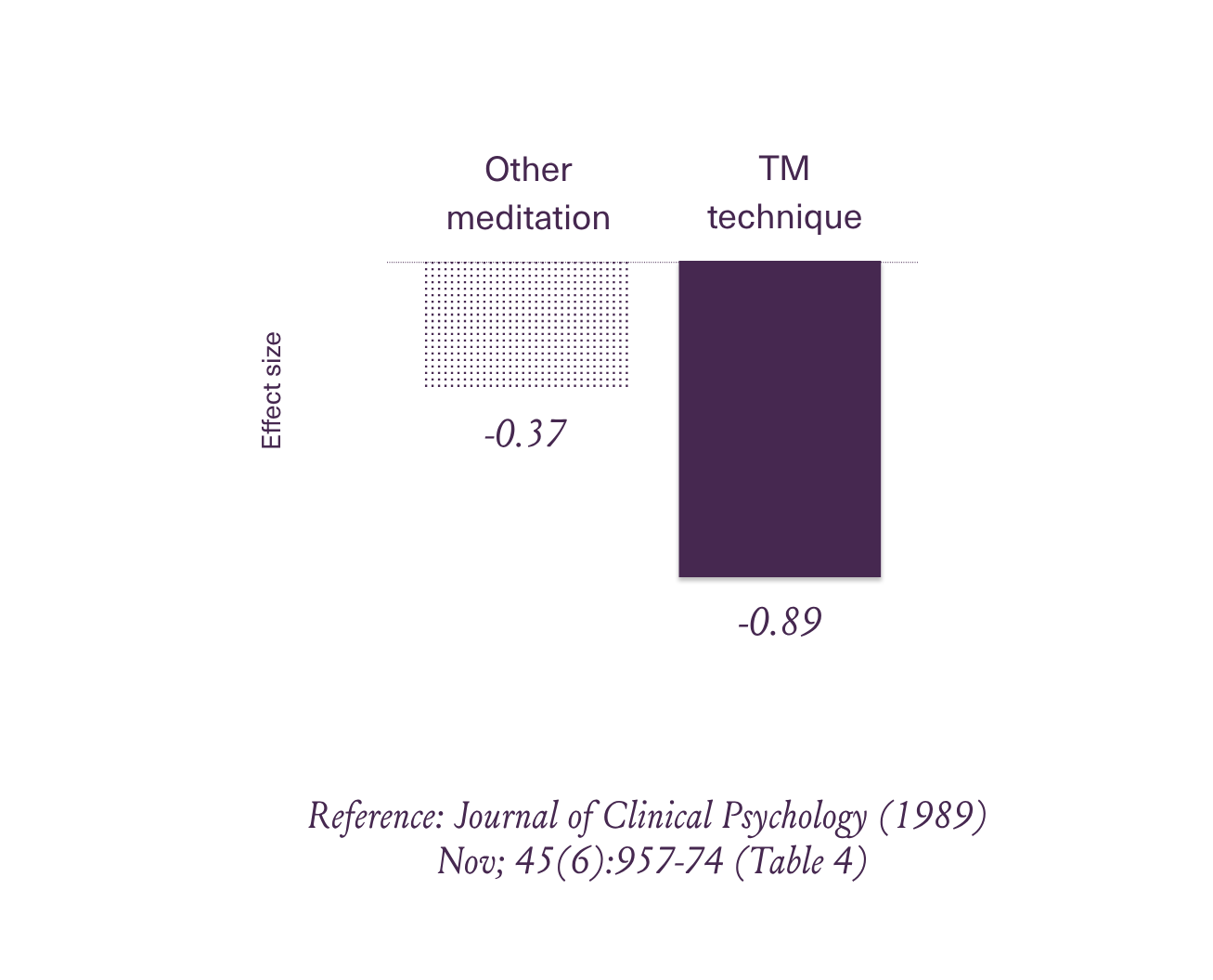
More than six decades of scientific
research have explored the effects of the Transcendental Meditation technique on stress reduction, mental well-being, cardiovascular health, cognitive
functioning, and overall quality of life. Regular practice has been associated
with reduced stress, improved mental clarity, enhanced creativity, better
emotional resilience, and improved overall well-being.
Rather than trying to force relaxation, TM
allows relaxation to arise naturally through the effortless settling of the
mind.
How Transcendental Meditation Supports Mental Well-Being
Mental fatigue is closely linked to prolonged
mental and emotional demands, which can keep the body's stress response
activated over time.
When stress accumulates, the nervous system
may remain in a state of heightened alertness, making it more difficult for the
mind and body to fully recover—even during periods intended for rest.
The Transcendental Meditation® technique provides
a unique state of restful alertness—a condition in which the body experiences
deep physiological rest while the mind remains naturally awake and alert.
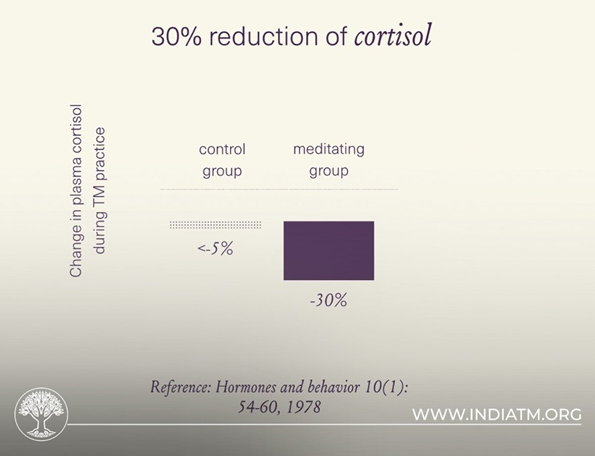
Research published in Hormones and
Behavior, 10(1): 54–60, 1978 found that TM practitioners experienced a
significant reduction in cortisol levels during meditation, with cortisol
levels remaining somewhat low afterward. Compared with individuals who did not
meditate, the findings suggest that TM may help reduce physiological stress and
support the body's natural recovery from accumulated stress.
With regular practice, many people report
experiencing:
- Greater
mental clarity
- Improved
concentration
- Increased creativity
- Better
emotional resilience
- Enhanced
energy throughout the day
- Improved
quality of sleep
- Greater
inner calm
- Increased efficiency with less
strain
Rather than simply managing stress, the Transcendental
Meditation technique supports the mind and body's natural capacity to settle
into a state of greater balance and ease.
Beyond Stress Reduction: The Development of Consciousness
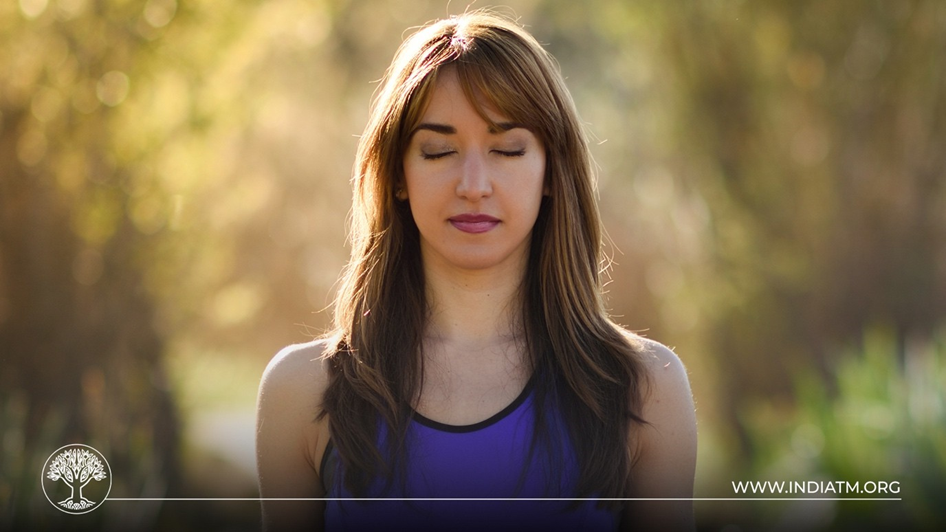
While many people first learn the Transcendental
Meditation technique to reduce stress or improve well-being, its benefits
extend beyond relaxation.
According to the Vedic tradition revived
by Maharishi Mahesh Yogi, every individual possesses an unlimited reservoir of
intelligence, creativity, and happiness within consciousness itself. During TM,
the mind naturally settles beyond its active thinking levels to experience
quieter states of awareness. Through regular practice, this inner experience
gradually becomes integrated into daily life.
As inner stability grows, many practitioners
naturally experience greater clarity, improved relationships, increased
creativity, and a more balanced response to life's challenges.
In this way, the benefits of TM are not limited
to helping relieve mental fatigue—they also support the development of one's
full potential.
A Practical Habit
for Modern Living
The demands of modern life are unlikely to
diminish.
Technology will continue evolving. Work and
study will remain demanding. Information will continue arriving faster than
ever before.
Rather than attempting to eliminate every
source of stress, it is valuable to develop the capacity to recover from stress
naturally and effectively.
The Transcendental Meditation technique can
easily become part of a daily routine. Practiced for about 20 minutes twice
each day, it requires no special beliefs, concentration, or lifestyle changes.
The technique is taught through a personalised
course by certified TM teachers, ensuring that every individual learns the practice
correctly and receives comprehensive lifetime follow-up.
Final Thoughts
Mental
fatigue has become
one of the defining challenges of modern life.
Left unaddressed, it can gradually affect concentration,
creativity, emotional well-being, and overall quality of life.
Understanding the signs of mental fatigue, recognising what causes mental fatigue, and adopting healthy daily habits are important steps toward maintaining long-term well-being.
The Transcendental Meditation technique offers a simple, natural,
and effortless approach
to helping the mind and body experience profound rest. Along with a
healthy lifestyle, regular TM practice supports greater mental clarity,
resilience, inner stability, and the development of consciousness, enabling
individuals to meet the demands of modern life with greater balance, energy,
and fulfilment.
FAQs
What is mental fatigue?
Mental fatigue is a state of cognitive and
emotional exhaustion caused by prolonged periods of thinking, stress,
decision-making, or continuous mental activity. It can affect concentration,
motivation, memory, emotional balance, and overall mental performance.
Can meditation help with mental
fatigue?
Yes. Research suggests that meditation
can help reduce stress and promote mental well-being. The Transcendental Meditation
technique provides a unique state of restful alertness that helps the body
experience deep rest while supporting greater mental clarity and resilience.
How often should I practice TM?
The Transcendental Meditation technique
is traditionally practiced for about 20 minutes twice a day. It is taught by certified
TM teachers through a personalised course and includes comprehensive lifetime
follow-up to support regular practice.