India can be considered as the birthplace of meditation and meditation has been a part of Indian culture for thousands of years. Ancient sages explored consciousness not merely as a philosophy, but as a direct experience that could transform human life. Today, meditation is once again becoming central to modern living. From students and professionals to entrepreneurs and healthcare workers, people across the country are increasingly turning toward meditation to manage stress, improve clarity, and create balance in daily life.
The future of meditation in India appears stronger than ever before. What was once considered a spiritual or traditional practice is now becoming part of mainstream wellness, education, corporate culture, and scientific research. As modern lifestyles become faster and more demanding, meditation is emerging as a practical solution for maintaining mental and emotional well-being.
Why Meditation Is Becoming More Important in Modern India
India is experiencing rapid urbanization, technological advancement, and economic growth. While these changes bring opportunities, they also create rising levels of stress, anxiety, burnout, and lifestyle imbalance. Long working hours, digital overload, academic pressure, lack of proper sleep, and constant mental stimulation are affecting people across all age groups.
This changing lifestyle is one of the biggest reasons behind meditation growth in India. People are beginning to realize that external success alone cannot create lasting happiness or peace of mind. A calm and balanced nervous system has become essential for maintaining productivity, emotional stability, and healthy relationships.
Meditation provides a natural way to allow the mind and body to experience deep rest. Unlike temporary distractions or entertainment, meditation helps individuals reconnect with inner silence and clarity. As awareness around mental wellness grows, meditation is becoming less of a luxury and more of a necessity.
The Rising Awareness About Mental Health
One of the strongest factors shaping the future of meditation in India is the growing awareness about mental health. Earlier, discussions around emotional well-being and stress management were limited. Today, people openly talk about anxiety, burnout, focus issues, emotional fatigue, and work-life balance.
This shift has encouraged many individuals to explore meditation as a practical and natural approach to improving mental wellness. Educational institutions, workplaces, and healthcare professionals are increasingly acknowledging the importance of stress reduction and emotional resilience.
Young people, especially, are showing greater interest in meditation. Students preparing for competitive exams, professionals working in high-pressure environments, and entrepreneurs handling constant decision-making are all seeking techniques that help improve focus and maintain inner stability.
As society becomes more open to discussing emotional health, meditation growth in India is expected to continue rapidly over the coming years.
How Meditation Is Growing in India Through Technology
Technology is playing a major role in how meditation is growing in India. Today, digital platforms are helping spread awareness about the importance of mental well-being, stress management, and inner development to a much wider audience.
Social media has also helped normalize meditation among younger audiences. Influencers, athletes, business leaders, and public figures openly discuss mindfulness, stress management, and inner well-being. This has helped remove many misconceptions surrounding meditation.
At the same time, technology is helping people track sleep quality, stress levels, and overall wellness. As scientific understanding of stress and nervous system health becomes more widespread, people are becoming more interested in practices that provide deep physiological rest and support greater clarity, balance, and well-being in daily life.
Meditation in Schools and Universities
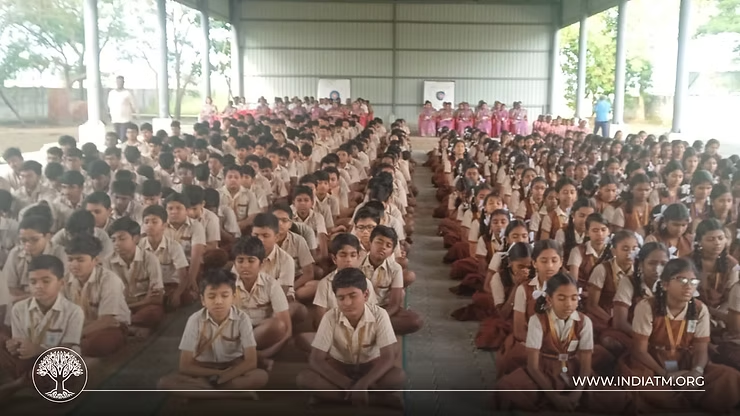
Another important area influencing the future of meditation in India is education. Students today face intense academic competition, long study hours, digital distractions, and increasing pressure to perform. Many educators now recognize that emotional well-being and mental clarity are essential for effective learning.
Meditation is gradually finding its place in schools and universities as a way to improve concentration, reduce anxiety, and support emotional development. Research has shown that regular meditation can help students experience better focus, improved memory, and greater calmness.
In the future, meditation may become an integral part of holistic education in India. Instead of focusing only on academic achievement, educational systems may increasingly emphasize the development of balanced, creative, and emotionally healthy individuals.
Meditation and the Corporate World
The corporate sector is another major contributor to meditation growth in India. High-pressure work environments, constant deadlines, and digital connectivity have increased stress levels among employees. Organizations are beginning to understand that mental well-being directly affects productivity, creativity, and workplace culture.
As a result, many companies are introducing meditation and wellness initiatives for employees. Meditation sessions, mindfulness workshops, stress management programs, and wellness retreats are becoming increasingly common in corporate environments.
The future of meditation in India is likely to include a stronger integration between workplace wellness and consciousness-based practices. Companies are gradually shifting from reactive stress management toward preventive well-being strategies that help employees maintain long-term mental and emotional balance.
The Role of Scientific Research
Scientific research is also influencing how meditation is growing in India. Earlier, meditation was often viewed only from a spiritual perspective. Today, neuroscience and medical research are helping explain the physiological and psychological benefits of meditation.
Studies around stress hormones, brain functioning, sleep quality, cardiovascular health, emotional regulation, and cognitive performance have increased public trust in meditation practices. This scientific validation is especially important for younger generations who seek evidence-based approaches to wellness.
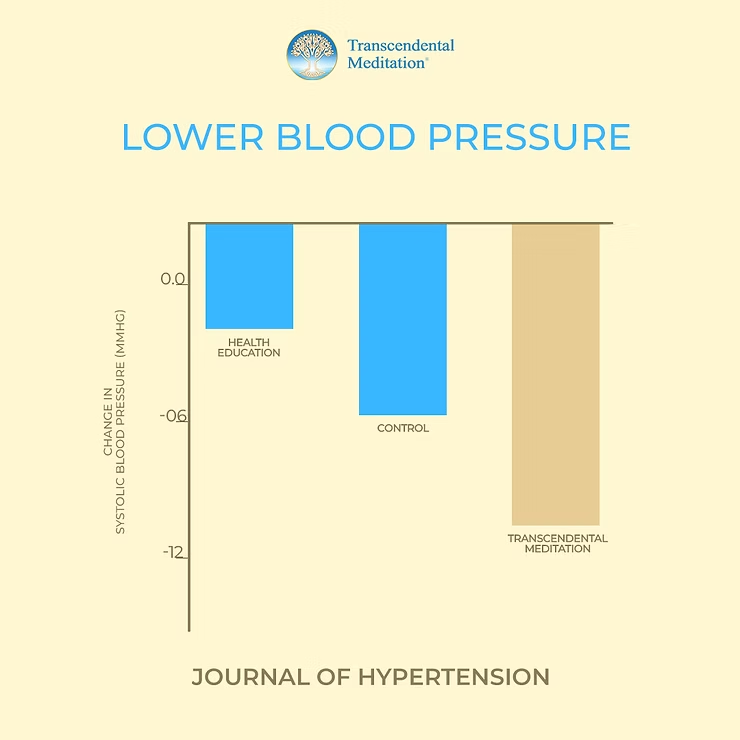
As more Indian institutions and global researchers continue studying meditation, public understanding is becoming deeper and more practical. Meditation is increasingly viewed as a tool for optimizing human functioning rather than simply a spiritual activity.
Transcendental Meditation and the Future of Consciousness-Based Wellness
One important aspect of the future of meditation in India is the growing interest in authentic and effortless meditation techniques rooted in the Vedic tradition. Among these, Transcendental Meditation has gained global recognition for its simplicity, practicality, and scientific research.
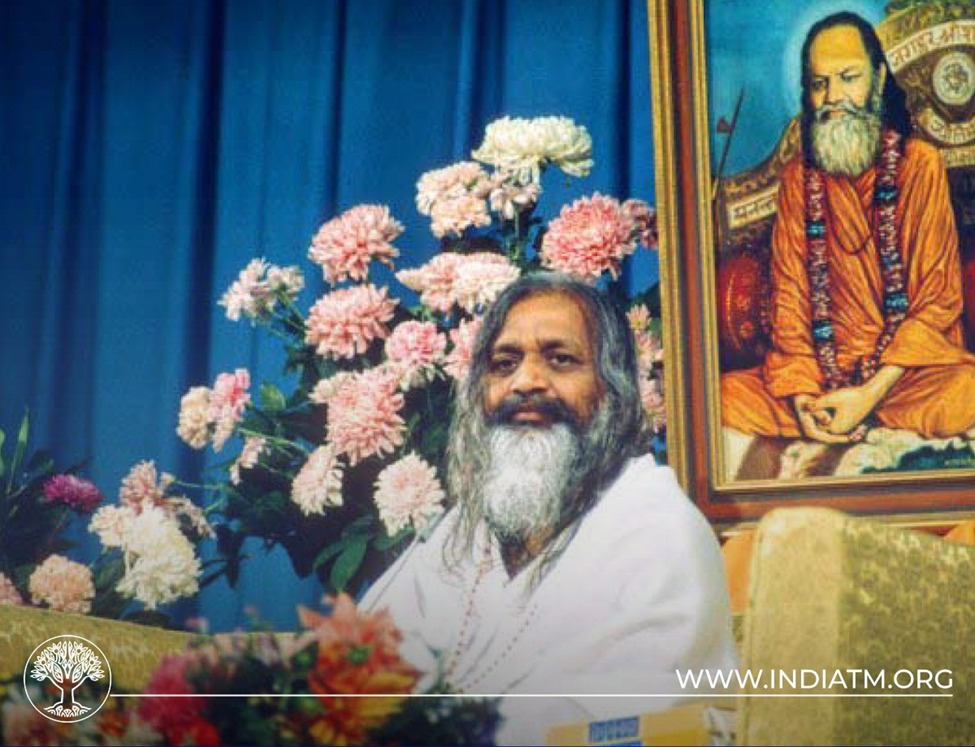
Founded by Maharishi Mahesh Yogi, Transcendental Meditation is a natural and effortless technique practiced for 20 minutes twice daily while sitting comfortably with closed eyes. Unlike practices that involve concentration or control of the mind, Transcendental Meditation allows the mind to settle inward naturally and experience quieter levels of awareness.
As modern life becomes increasingly demanding, many people are searching for techniques that fit easily into busy schedules without requiring major lifestyle changes. This is one reason why Transcendental Meditation is becoming increasingly relevant in India today.
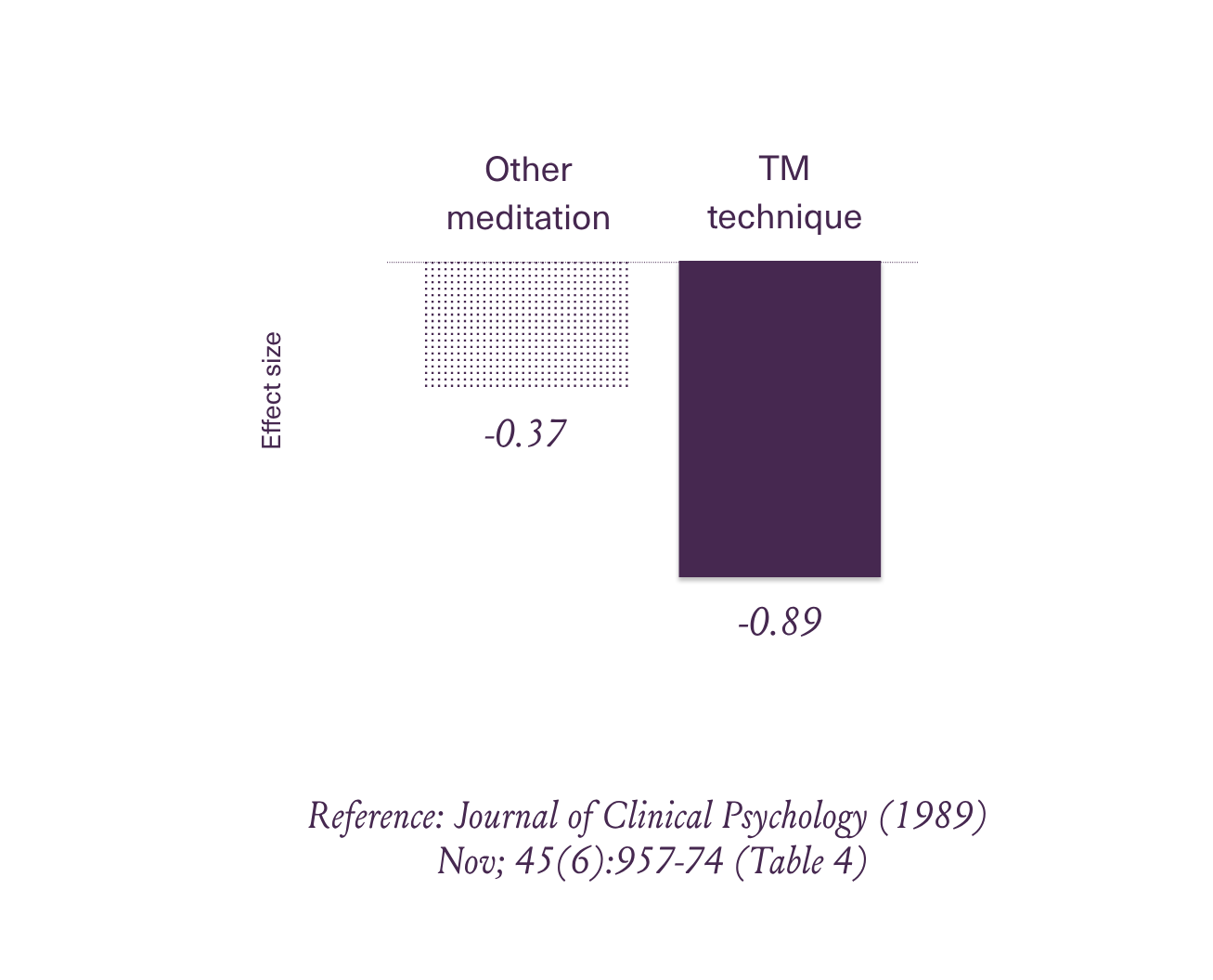
Research on Transcendental Meditation has explored its effects on stress reduction, nervous system functioning, mental clarity, emotional well-being, and overall quality of life. Because of its simplicity and systematic teaching method, it is being practiced by students, professionals, educators, healthcare workers, athletes, and business leaders across the world.
In the coming years, consciousness-based approaches such as Transcendental Meditation may play a larger role in education, healthcare, workplace wellness, and preventive mental health care in India.
What Is the Future of Meditation in India?
So, what is the future of meditation in India? The answer lies in the changing needs of modern society. As life becomes faster, more connected, and more mentally demanding, people are increasingly searching for stability, clarity, and inner balance.
Meditation is no longer limited to monasteries or spiritual communities. It is entering homes, offices, classrooms, healthcare systems, and public conversations. The next generation is viewing meditation not as an escape from life, but as a way to function more effectively within life.
India already possesses one of the richest traditions of inner knowledge in the world. The future may witness not only meditation growth in India, but also India guiding the global conversation around consciousness, well-being, and human development.
Ultimately, the future of meditation in India is not simply about wellness trends or lifestyle practices. It represents a deeper shift in human understanding—a recognition that lasting peace, creativity, and fulfillment arise from within.
Frequently Asked Questions
What is the future of meditation in India?
Meditation in India is expected to grow rapidly as people increasingly seek better mental health, emotional balance, and stress management. It is becoming part of education, workplaces, healthcare, and everyday life.
Why is meditation becoming popular in India?
Meditation is becoming popular due to rising stress, fast-paced lifestyles, mental health awareness, and the need for greater inner balance and well-being.
How does meditation help students and professionals?
Meditation helps students and professionals improve focus, reduce stress, enhance clarity, and maintain better emotional balance in daily life.