Every year, November 7 is observed as
National Cancer Awareness Day in India, highlighting the importance of cancer
prevention, early detection, timely diagnosis, and access to appropriate treatment.
While awareness initiatives often focus on recognising risk factors and
understanding treatment options, it is equally important to acknowledge the
emotional challenges faced by individuals diagnosed with cancer and the
families who support them.
A cancer diagnosis can change life overnight.
Medical appointments, treatment decisions, uncertainty about the future, and
changes in everyday routines can place considerable emotional strain on
patients and their loved ones. Alongside physical care, mental and emotional
well-being deserve attention throughout the cancer journey.
Building emotional resilience does not mean
ignoring fear or remaining positive at all times. It means finding ways to
navigate uncertainty, accept support, and maintain a sense of inner balance
through difficult experiences.
Transcendental Meditation (TM) offers one
supportive approach to emotional well-being alongside appropriate medical care.
Practised for 20 minutes twice daily and learned personally from a certified TM
teacher, this simple, natural, and effortless technique provides time for
mental rest amid life's challenges.
On National Cancer Awareness Day,
exploring the connection between cancer, emotional resilience, and supportive
practices offers an opportunity to look beyond the diagnosis and recognise the well-being
of the whole person—including the caregivers who walk alongside them.
The Emotional Impact of a Cancer Diagnosis
Hearing the words “you have cancer” can bring
a flood of emotions. Some people feel shocked or numb, while others immediately
begin worrying about treatment, family responsibilities, finances or the
possibility of losing control over their lives.
These reactions are understandable. A
diagnosis can disrupt a person's sense of security and make even ordinary decisions
feel overwhelming. Stress may also affect sleep, concentration, relationships
and the ability to manage daily routines.
There is no single correct way to
respond. Emotional resilience is not about remaining positive at all times; it is
about allowing difficult feelings to exist while gradually developing ways to
cope with them.
Alongside professional psychological
support, social connection, adequate rest and appropriate medical care, mind-body
practices may help some people manage the emotional demands of the cancer
journey.
How Transcendental Meditation May Support Emotional Resilience
Transcendental Meditation is a technique
that allows the mind to settle naturally towards a quieter state of awareness.
Unlike practices that require concentration, deliberate thought control or active
monitoring of thoughts, TM is practised effortlessly, without trying to force
the mind to become quiet.
For someone navigating cancer, a regular meditation
routine may provide a dedicated period of rest amid the demands of treatment
and recovery. It offers time to step away from the constant stream of
appointments, worries and responsibilities, even if only briefly.
Supporting stress management: The
uncertainty surrounding cancer can create considerable emotional strain. TM may
help practitioners manage stress and experience greater calm as they navigate
challenging circumstances.
Creating space for emotional balance: Fear,
sadness, frustration and uncertainty can arise at different stages of treatment.
A regular practice may support a person's ability to approach daily experiences
with greater composure, without requiring them to deny or suppress their emotions.
Supporting everyday functioning: Emotional
strain can affect sleep, concentration and energy. By providing a period of
deep rest, TM may support overall well-being, although individual experiences vary
and it should not be considered a guaranteed treatment for sleep difficulties
or other symptoms.
Reconnecting with a sense of self: Cancer
can sometimes become the centre of a person's identity. Maintaining personal
routines, meaningful relationships and activities that bring comfort can help preserve
a sense of continuity. Meditation may become one such supportive routine.
These potential benefits should be understood
within the broader context of cancer care. TM is not a cancer treatment, and
evidence about its effects specifically in cancer populations remains limited.
What Research Says About Transcendental Meditation and
Cancer
Research has explored whether Transcendental
Meditation can support quality of life among people living with cancer.
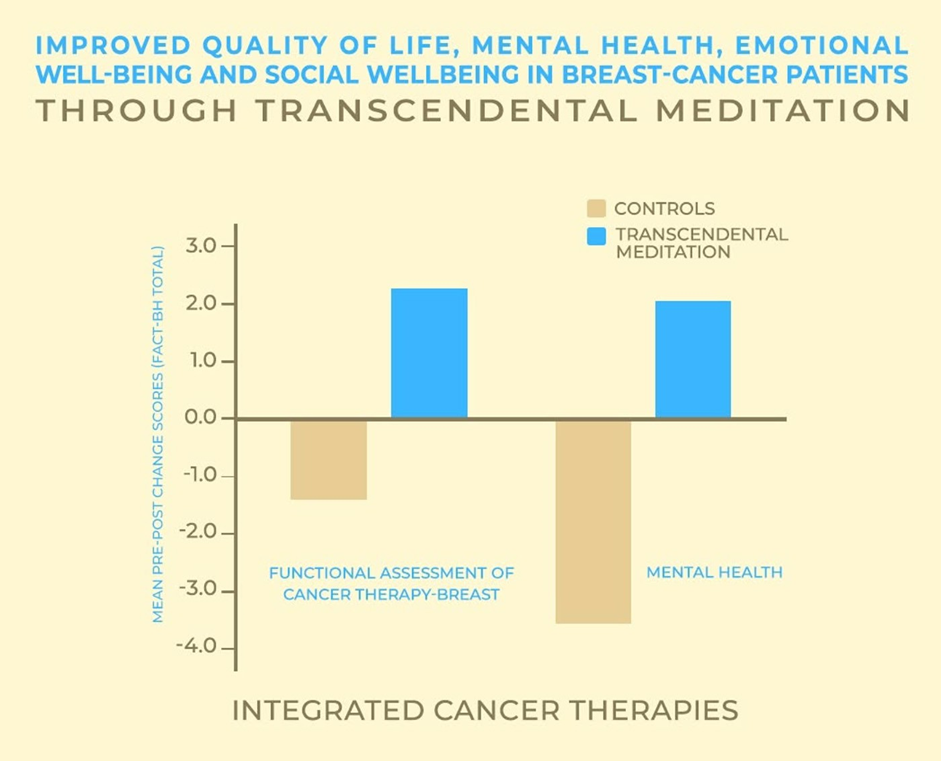
A study published in Integrated Cancer
Therapies in 2009 investigated the effects of TM among women with breast
cancer. According to the study information provided, the research was conducted
at St. Joseph’s Hospital in Chicago, with support from the National Center for
Complementary and Alternative Medicine. It involved 130 breast cancer patients divided
into two groups: one practising TM and another receiving educational resources.
Participants were followed over 18 months.
The study examined quality of life as an important
dimension of cancer care, recognising that living well involves more than
addressing the physical disease alone. The reported findings indicate that the
TM group experienced improvements in quality of life.
These findings are encouraging because
they highlight the importance of investigating supportive approaches that may help
patients navigate the emotional and practical challenges of illness. However,
the precise outcomes, effect sizes and statistical significance should be
checked against the original publication before being reported in detail.
The study does not establish that TM
treats cancer, slows tumour growth or improves survival. Instead, it contributes
to a broader conversation about complementary approaches to quality of life
during cancer care.
Further research involving larger and more
diverse patient populations would help clarify the extent of these benefits and
identify who may benefit most.
The Caregiver Perspective: Supporting Those Who Support Others

A cancer diagnosis affects more than the individual
receiving it. Spouses, parents, children, siblings and friends may suddenly
find themselves coordinating appointments, managing household responsibilities,
providing emotional reassurance and helping with daily care.
Caregivers can experience exhaustion,
worry, disrupted sleep and a persistent sense of responsibility. They may put their
own needs aside because the patient's needs appear more urgent. Over time, this
can make it difficult to maintain their own emotional well-being.
Caregivers need care, too. Taking time to
rest, asking family members for help, accessing counselling and maintaining personal
routines are important parts of sustainable caregiving. Supporting a loved one
does not require neglecting oneself.
A pilot study published in the International
Archives of Nursing and Health Care, Volume 1, Issue 2, explored Transcendental
Meditation among 23 caregivers, most of whom cared for family members with
Alzheimer's disease or other chronic medical conditions.
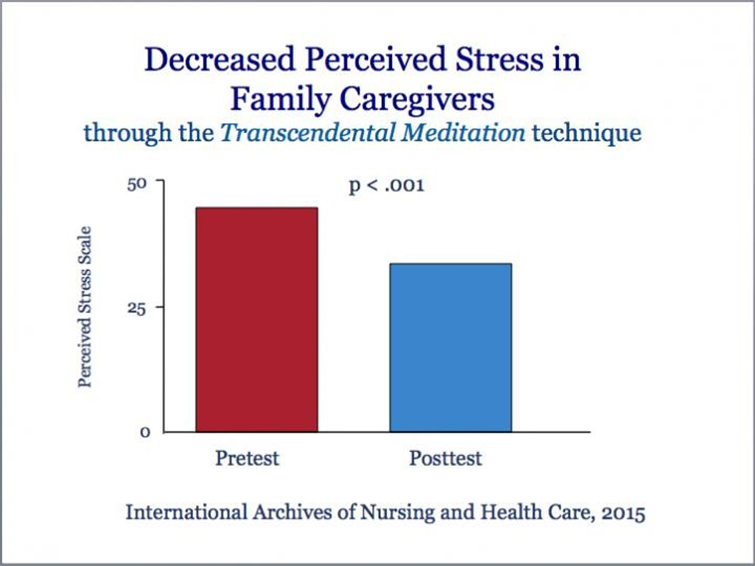
Over a two-month period, the study reported
improvements in perceived stress, spiritual well-being and mood, assessed using
standard instruments.
Although this was a small pilot study involving
caregivers across chronic illnesses rather than a cancer-specific population,
its findings offer a useful perspective. They suggest that TM may be worth
exploring as a supportive practice for people experiencing the demands of caregiving.
For caregivers supporting someone through
cancer, a regular period of rest may provide an opportunity to attend to their
own well-being while continuing to offer practical and emotional support. Their
needs deserve recognition, not only when exhaustion becomes overwhelming, but
throughout the caregiving journey.
Making Space for Well-Being During
Cancer Treatment
When life becomes dominated by treatment schedules
and medical decisions, self-care can feel like another responsibility. It may help
to approach well-being through small, realistic steps.
- Stay connected: Make space for conversations with trusted family members, friends or support groups.
- Seek professional support: Oncology teams, psychologists and counsellors can help address anxiety, depression, treatment-related distress and difficult emotions.
- Protect time for rest: Prioritise sleep and take breaks when possible, adjusting routines to accommodate treatment and recovery.
- Communicate your needs: Patients and caregivers can ask for practical help rather than trying to manage everything alone.
- Explore supportive practices: If interested in Transcendental Meditation, consult a certified TM teacher to understand the technique and whether learning it fits comfortably into your routine.
The goal is not to add pressure to an already
difficult situation. It is to find sustainable ways of supporting emotional
well-being alongside appropriate medical care.
An Important Distinction: Complementary Support, Not a
Replacement for Treatment
Can meditation replace cancer treatment
or psychological support? No. Transcendental Meditation does not diagnose,
prevent or cure cancer, and it should never be used as a substitute for surgery,
chemotherapy, radiation therapy, immunotherapy or other treatments recommended
by an oncology team.
Similarly, meditation should not replace professional
mental health care when someone is experiencing significant anxiety, depression
or emotional distress. Patients should discuss complementary practices with
their healthcare team, particularly when symptoms or treatment-related
difficulties require medical attention.
TM is best understood as a potential addition
to comprehensive care, with the aim of supporting the person experiencing the
illness rather than treating the disease itself.
Finding Inner Stability
When Life Feels
Uncertain
A cancer diagnosis may change routines, priorities
and expectations, sometimes overnight. Yet emotional well-being remains an
important part of the human experience throughout illness and recovery.
Transcendental Meditation offers one possible
way to make space for rest amid uncertainty. Research involving breast cancer
patients and caregivers provides preliminary reasons to explore its potential
contribution to quality of life and stress management, while also reminding us
that more research is needed.
For patients and caregivers alike, resilience
does not mean facing every challenge alone or feeling strong every day. It can
mean accepting support, recognising personal limits and taking one manageable
step at a time.
The journey may remain uncertain, but care
can extend beyond the disease to include the emotional needs, dignity and
well-being of every person affected.
Frequently Asked Questions
1. How can Transcendental Meditation help after a cancer
diagnosis?
Transcendental Meditation may support
stress management, relaxation and overall emotional well-being. Practised regularly,
it provides time for rest amid the uncertainty of diagnosis and treatment.
Individual experiences vary, and it should complement—not replace—medical care.
2. Can meditation help reduce stress
during cancer treatment?
Meditation may help some people manage
stress and emotional strain during treatment. Research on TM in breast cancer
patients has explored quality of life, while research involving caregivers has examined
perceived stress and mood. However, evidence is still developing, and
meditation is not a guaranteed solution for treatment-related distress.
3. Can meditation replace
cancer treatment or psychological support?
No. Meditation cannot replace evidence-based
cancer treatment, oncology consultations or professional psychological support.
It may be considered a complementary well-being practice alongside the care
recommended by qualified healthcare professionals.
4. How does Transcendental Meditation support emotional
resilience?
TM provides a regular opportunity for
effortless mental rest. It may help practitioners manage everyday stress and
support a greater sense of balance. Emotional resilience also involves acknowledging
difficult feelings, maintaining supportive relationships and seeking
professional help when needed.